
The thinking that shapes your favourite Neighbourgood spaces
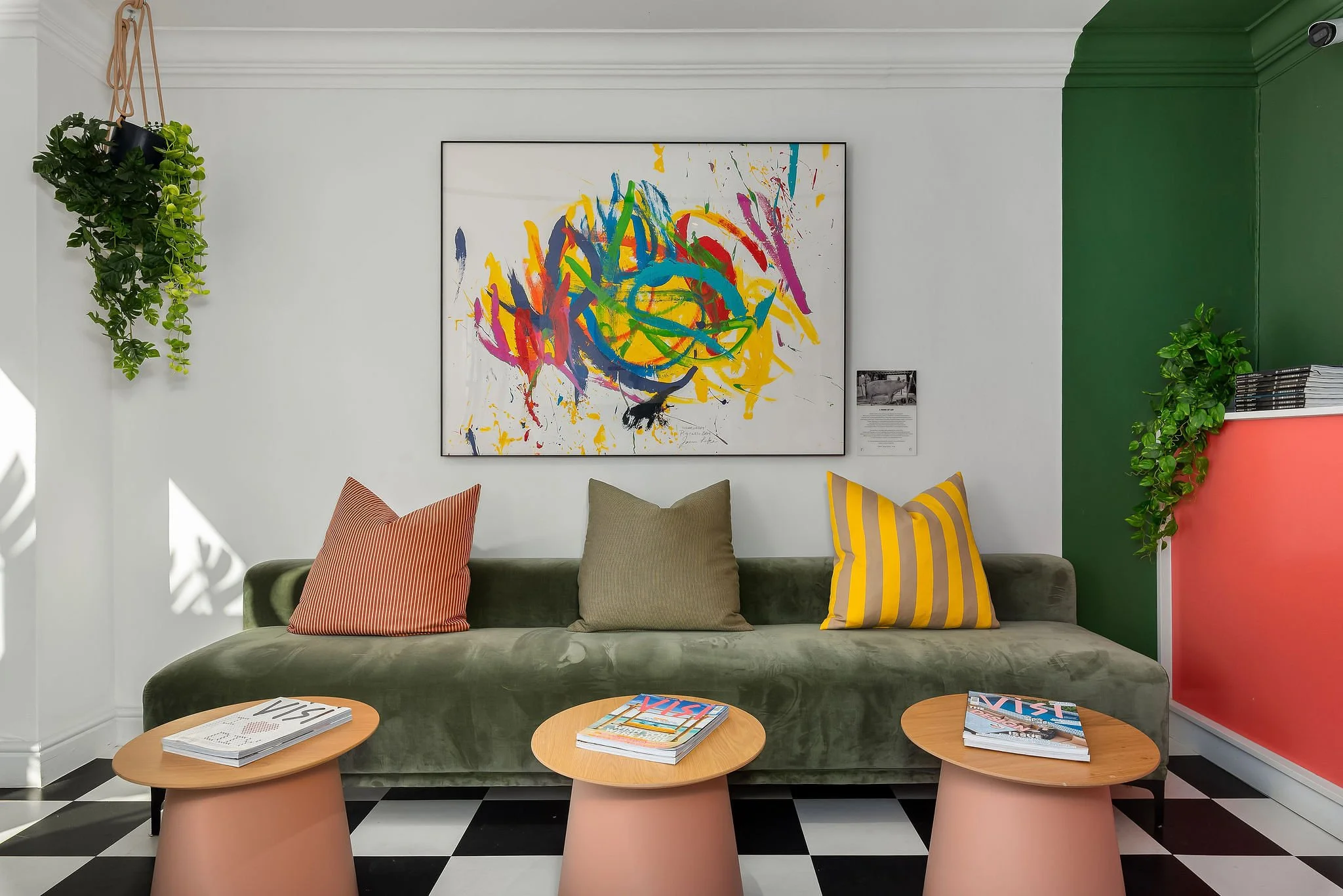
Neighbourgood Hill
The best spaces rarely shout for attention. They don’t need to. They reveal themselves bit by bit, in the way morning light stretches across a desk, in the comfort of a chair that supports you without ceremony, in that subtle shift when a building stops feeling like somewhere you pass through and starts feeling like somewhere you belong.
At Neighbourgood, design has always been about intention before aesthetics. Yes, the spaces photograph beautifully (we see you, Instagram). But the real work lives underneath – in the spatial planning, the material choices, and the careful balance between heritage character and modern living.
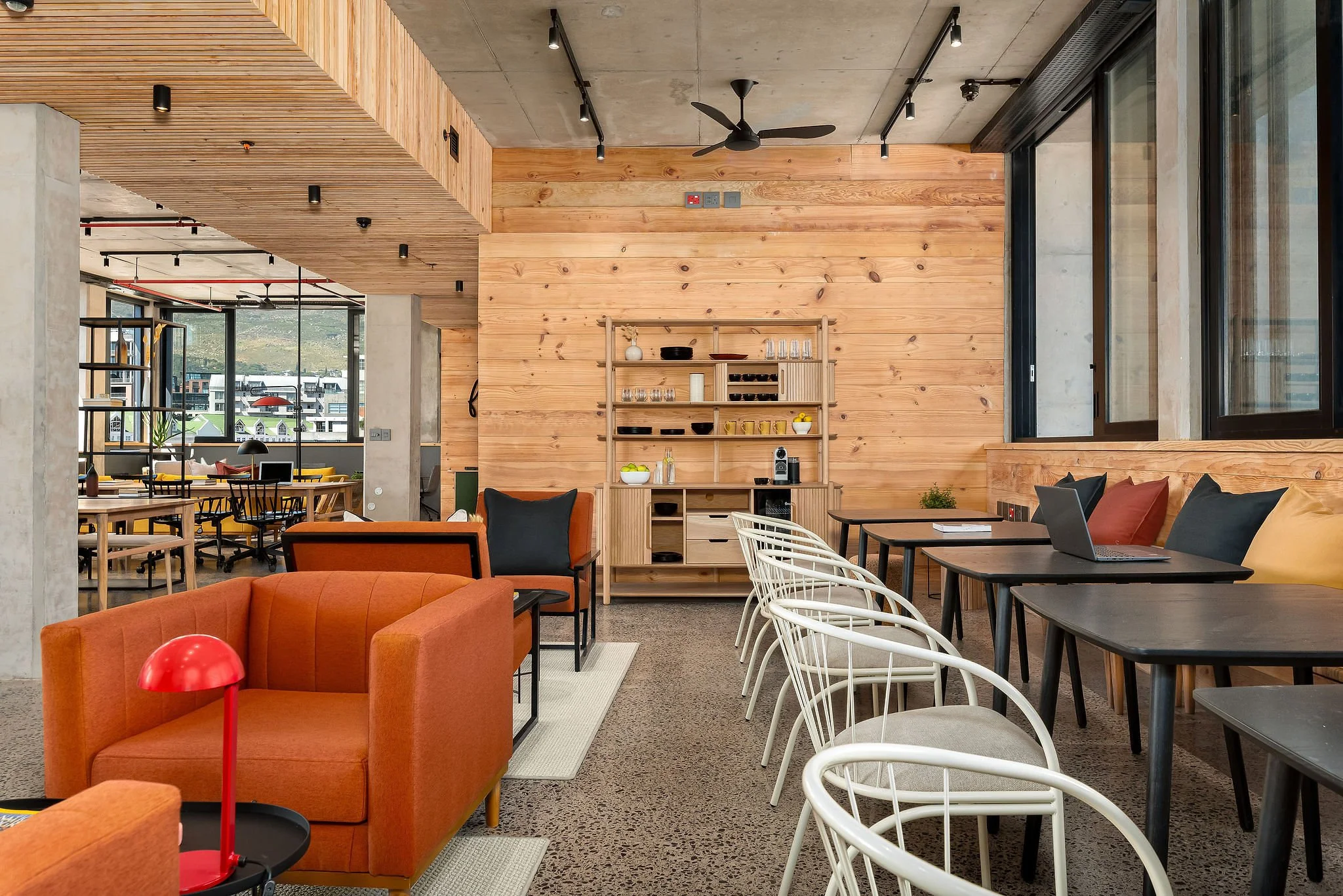
Neighbourgood 84 Harrington
Across our portfolio – from the heights of Neighbourgood 84 Harrington to the buzzy energy of Neighbourgood 93 Bree – the philosophy stays steady, even when the finishes shift.
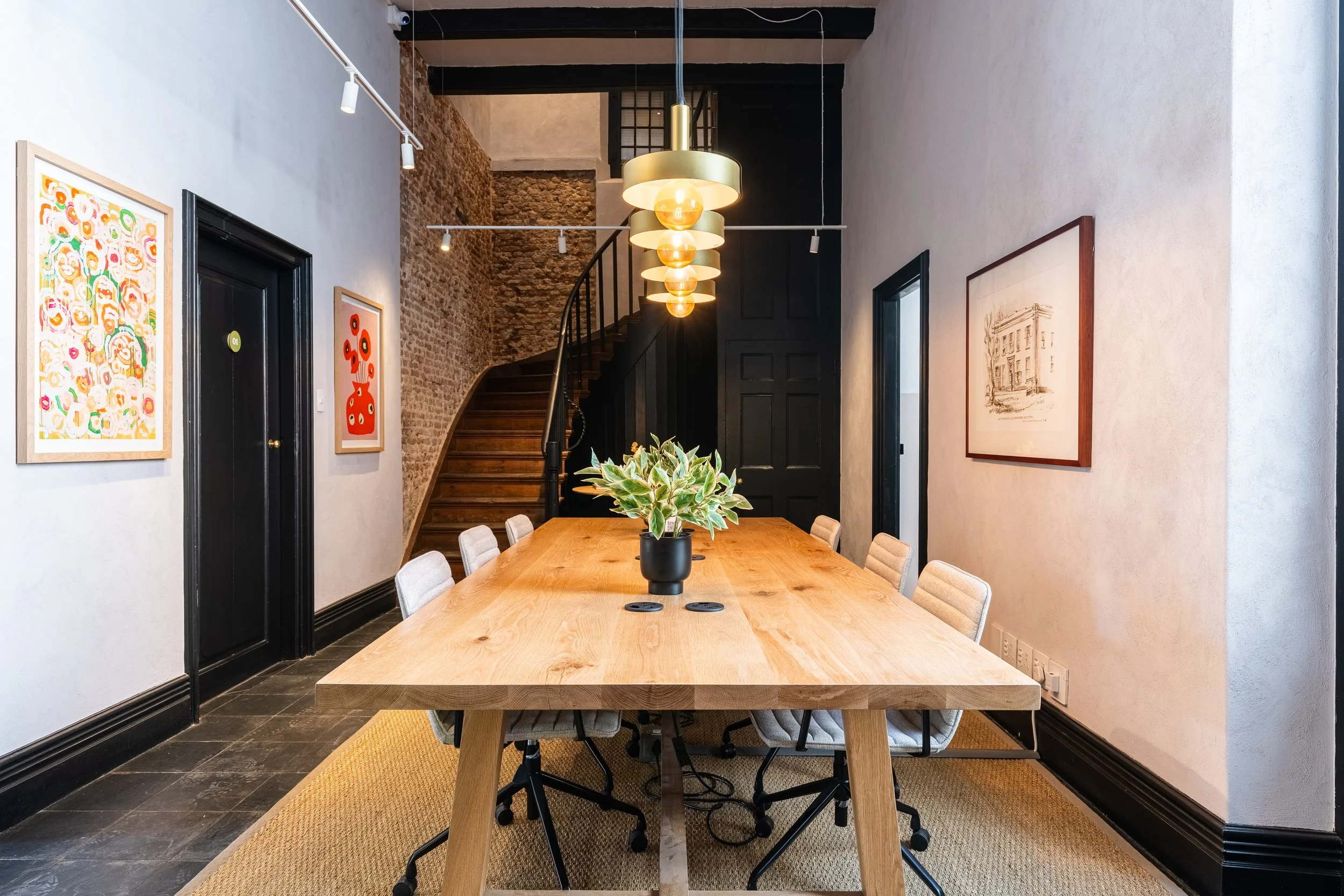
Neighbourgood 93 Bree
As co-founder and Head of Brand, Kim Clark explains, “We start with the practical needs of the guest or member, and then we layer in the aesthetics. It’s about finding that sweet spot where a space is both visually stimulating and highly usable.” In simple terms, form follows function, just with better lighting.
Reading the room before redesigning it
Before any walls move or finishes are selected, the starting point is always context. What was this building before? Who will spend time here now? And what kind of energy already lives in the neighbourhood?
At Neighbourgood, each property takes its cues from its surroundings. In Cape Town, the Green Point spaces feel sunny and energetic, while the Newlands property leans into its calm, leafy setting.
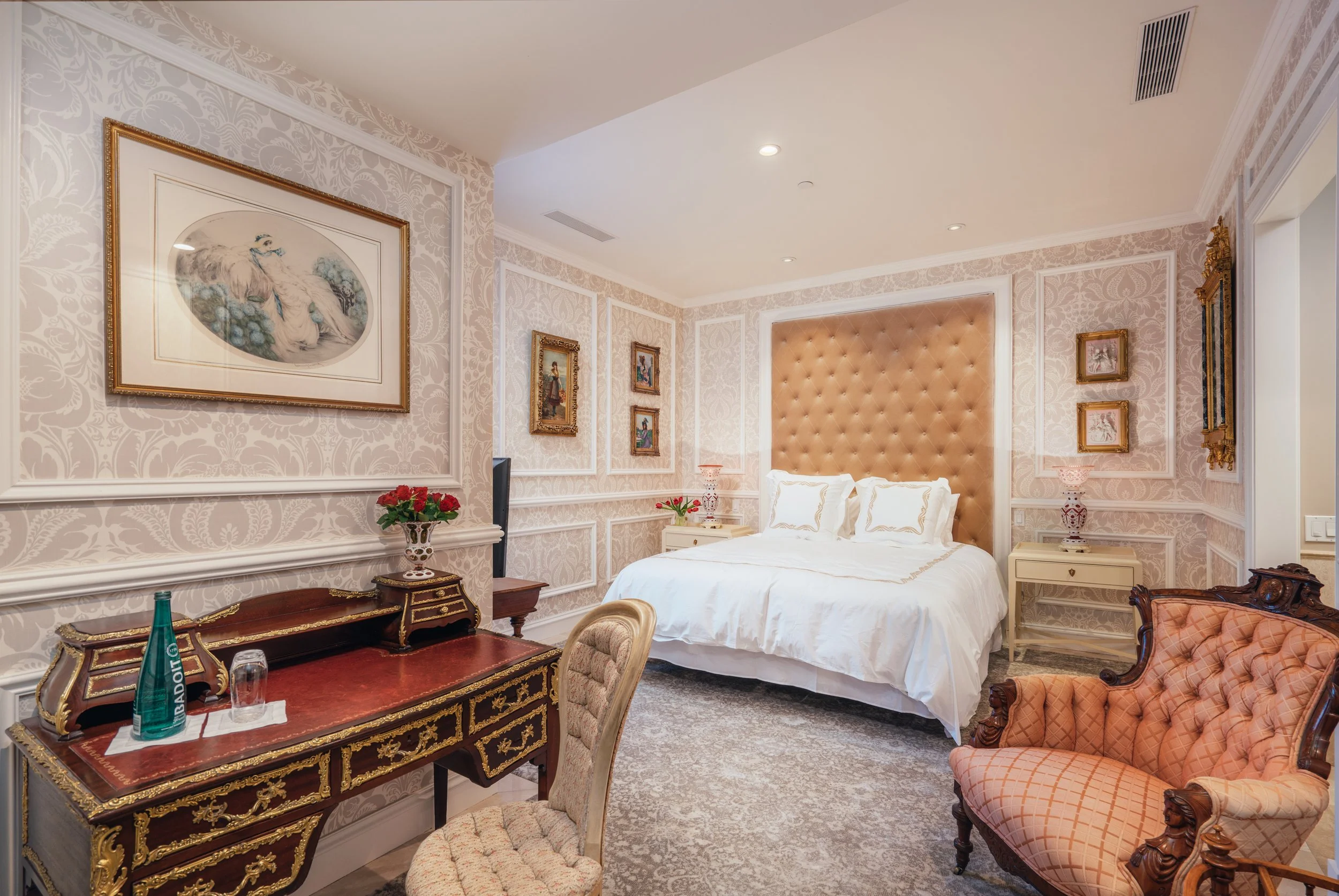
Neighbourgood Sutter Mansion
In San Francisco, Neighbourgood Sutter Mansion celebrates heritage and storytelling. The neighbourhood becomes a collaborator of sorts, shaping the colour palette, textures, and even the way the space is used. What ties it all together is the brand voice. It’s always warm, human and people-centric, with the same core principles running through every space: community, thoughtful design and flexibility.
So while the interiors may shift to reflect each neighbourhood’s character, the underlying design DNA remains consistent. It’s why stepping into Neighbourgood Hill feels different from arriving at Neighbourgood De Wet, yet both still feel unmistakably Neighbourgood.
The before-and-after effect
Adaptive reuse sits at the heart of many Neighbourgood projects, particularly in Cape Town, where historic buildings come with strong personalities – and occasionally very stubborn floor plans.
Take Neighbourgood East City, for example. Once home to the well-known Townhouse Hotel, the building carried decades of hospitality history, but it wasn’t designed for hybrid living or modern remote work. The transformation focused on opening up the ground floor and first floor and rethinking how people move through the space. The previous restaurant had been completely closed off, so the redesign introduced a café and opened the area into shared, flexible zones.
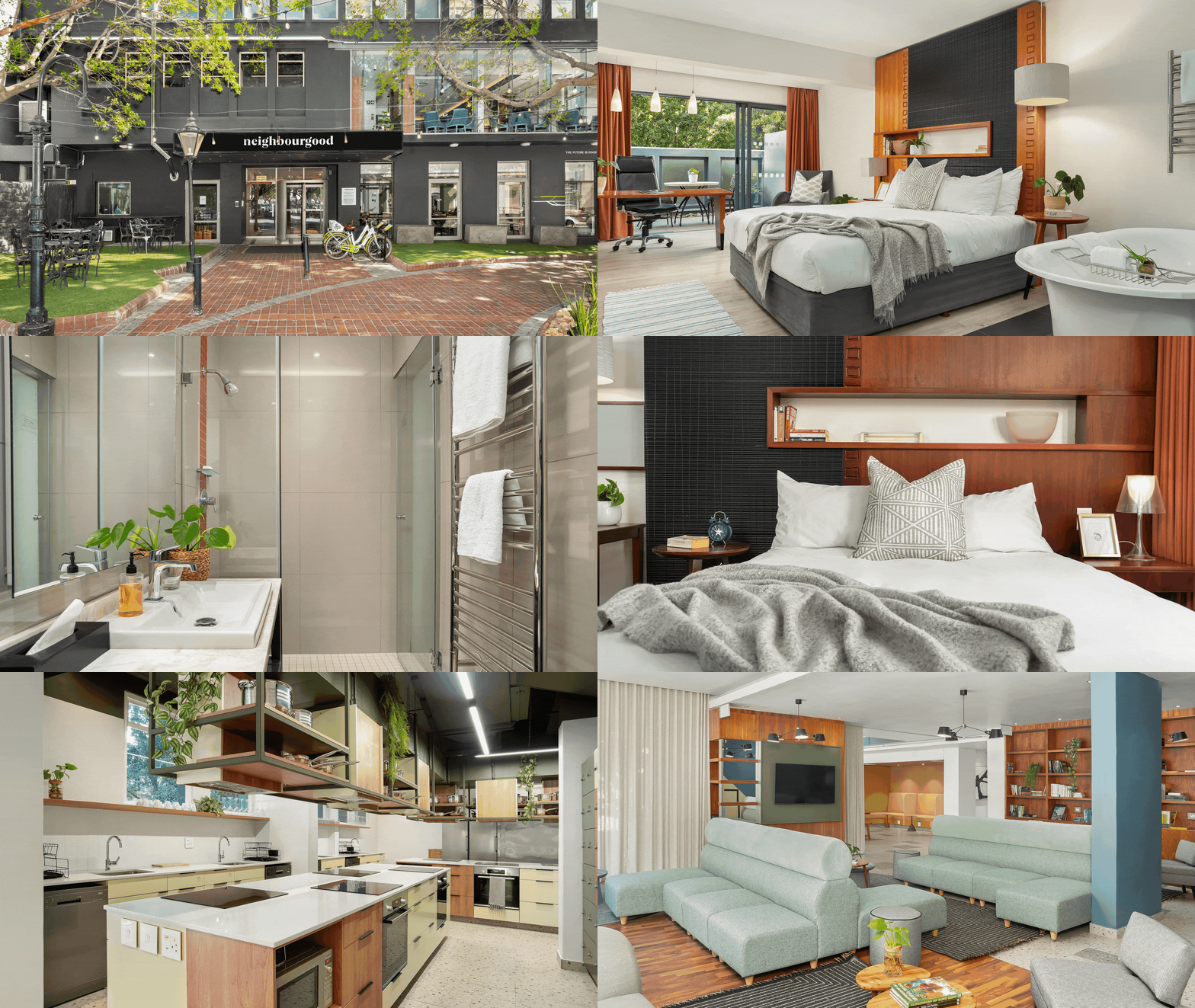
Neighbourgood East City
Before the update, the layout followed a more traditional hotel rhythm with compartmentalised spaces and formal circulation. After the transformation, the building shifted toward flexible shared areas, softer transitions between work and social zones, and a café-led ground floor that keeps the space gently in motion throughout the day. The change is not always obvious at first glance. But spatially, it changes everything about how people move, meet, and settle in.
Materials that do the heavy lifting
If there is one consistent thread across Neighbourgood interiors, it’s focus on what feels warm, human and people-centric. The spaces avoid clinical minimalism but also steer clear of trend-chasing maximalism.
Instead, the palette settles into natural woods, stone textures, and warm neutral tones, with colour accents often drawn from the surrounding neighbourhood. Natural light is prioritised wherever possible, while ambient lighting takes over once the sun dips.
Kim explains it simply: “We aim for a relaxed and inviting atmosphere, so we avoid anything too stark or clinical.”
There’s also a subtle biophilic influence throughout. Plants and nature-inspired artwork soften the architecture and maintain a visual connection to the outdoors. Where live plants aren’t practical, carefully chosen faux greenery steps in to create the same visual warmth without the maintenance demands.
Designing for how people actually work now
Remote work did not invent flexibility, but it certainly accelerated the need for it. Neighbourgood’s layouts reflect this shift in practical ways.
Rather than centring on a single dominant workspace style, each location layers multiple zones to suit different ways of working. There are focused areas for deep work, collaborative rooms for meetings, and relaxed lounges for the in-between moments that shape a modern workday. Even within the accommodation itself, most rooms include desks, giving guests the option to work privately or plug into the shared workspaces when they want a change of pace or a bit of community.
“Remote workers need flexibility, reliable technology and a sense of community,” Kim says. “So we design for interaction, but we also design for focus.”
You see this clearly in Neighbourgood Cape Quarter’s workspace, where rounded reception forms, softened partitions, and carefully placed seating guide movement through the space without forcing it. People cross paths naturally, and conversations tend to start themselves.
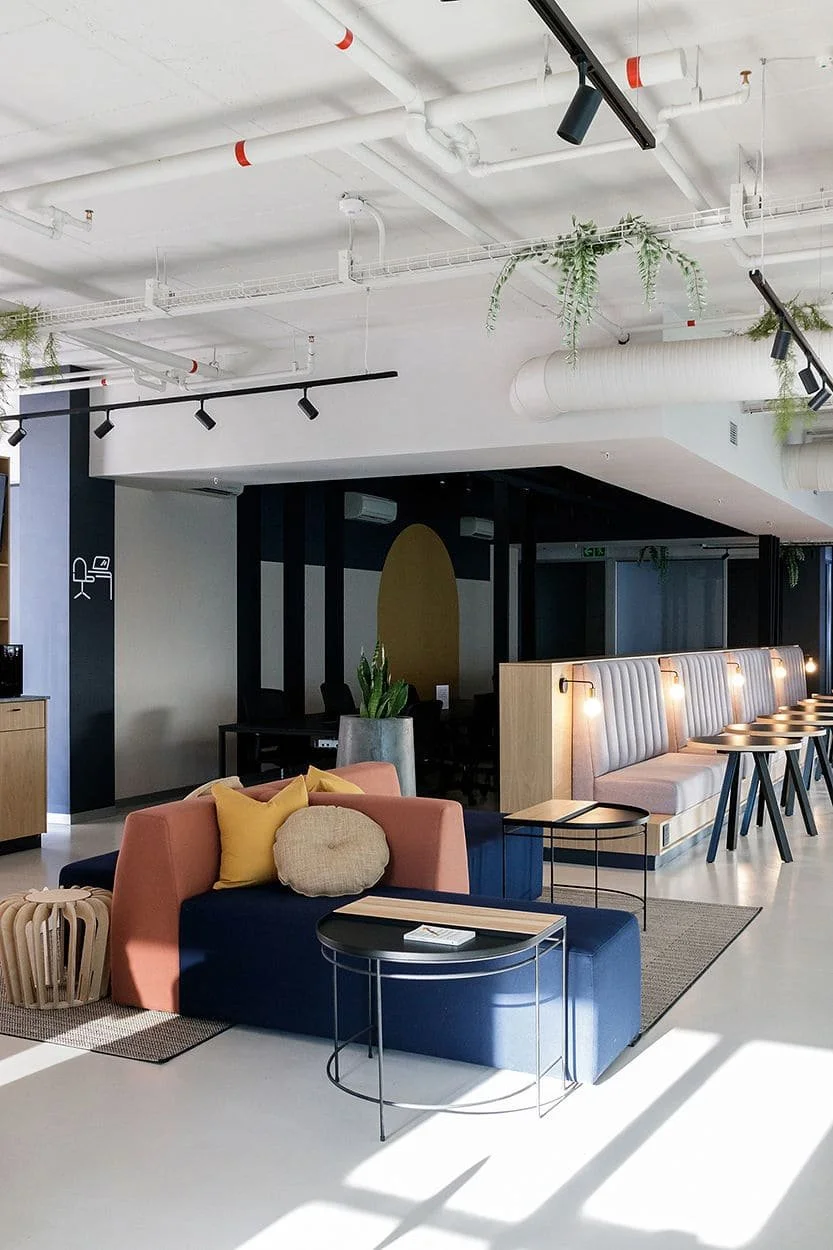
Neighbourgood Cape Quarter
When heritage leads the design
Some of the most interesting design decisions happen in buildings with strong historical character.
Take Neighbourgood 129 Bree. The building predates 1965 and carries a layered history, most recently serving as offices for the Housing Development Agency during the 2010s. Before Neighbourgood stepped in, the interior had been divided into a patchwork of separate offices for various businesses.
When the space reopened in 2021, the approach was to preserve the building’s heritage character while reimagining how it functions. The interior was transformed into a vibrant co-working hub with private offices, hot desks, and a leafy courtyard where Stellski Café now sits just beyond the workspace.
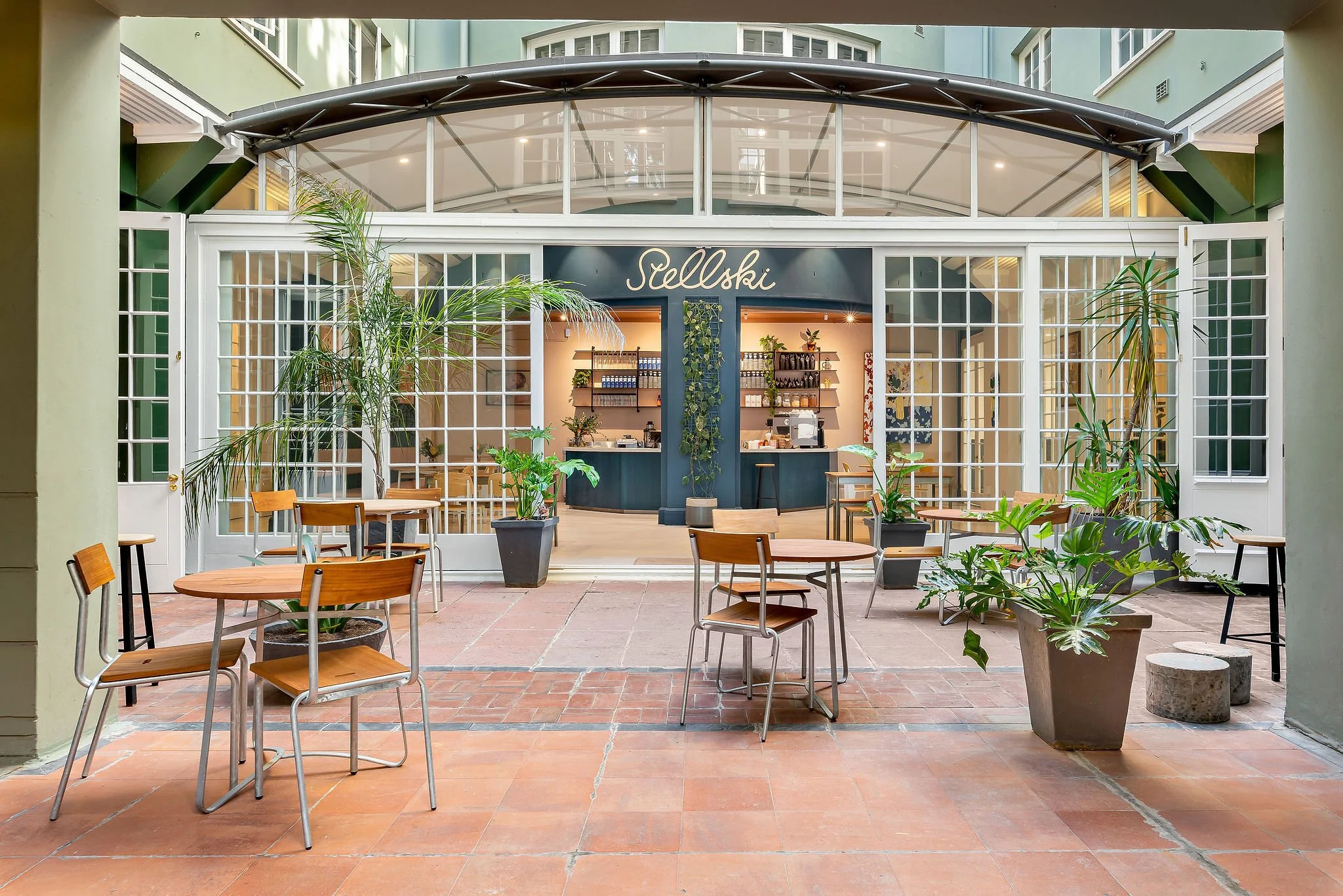
Stellski Café @ Neighbourgood 129 Bree
A similar philosophy shapes Neighbourgood 93 Bree, located in the historic Jan de Waal House, which dates back to 1752. The space has been carefully curated as a co-working environment that respects the building’s past while making it work for a modern community of founders, creatives and remote professionals.
In both cases, heritage isn’t treated as a constraint but as a starting point. The history stays visible, while the interiors evolve to support the way people live and work today.
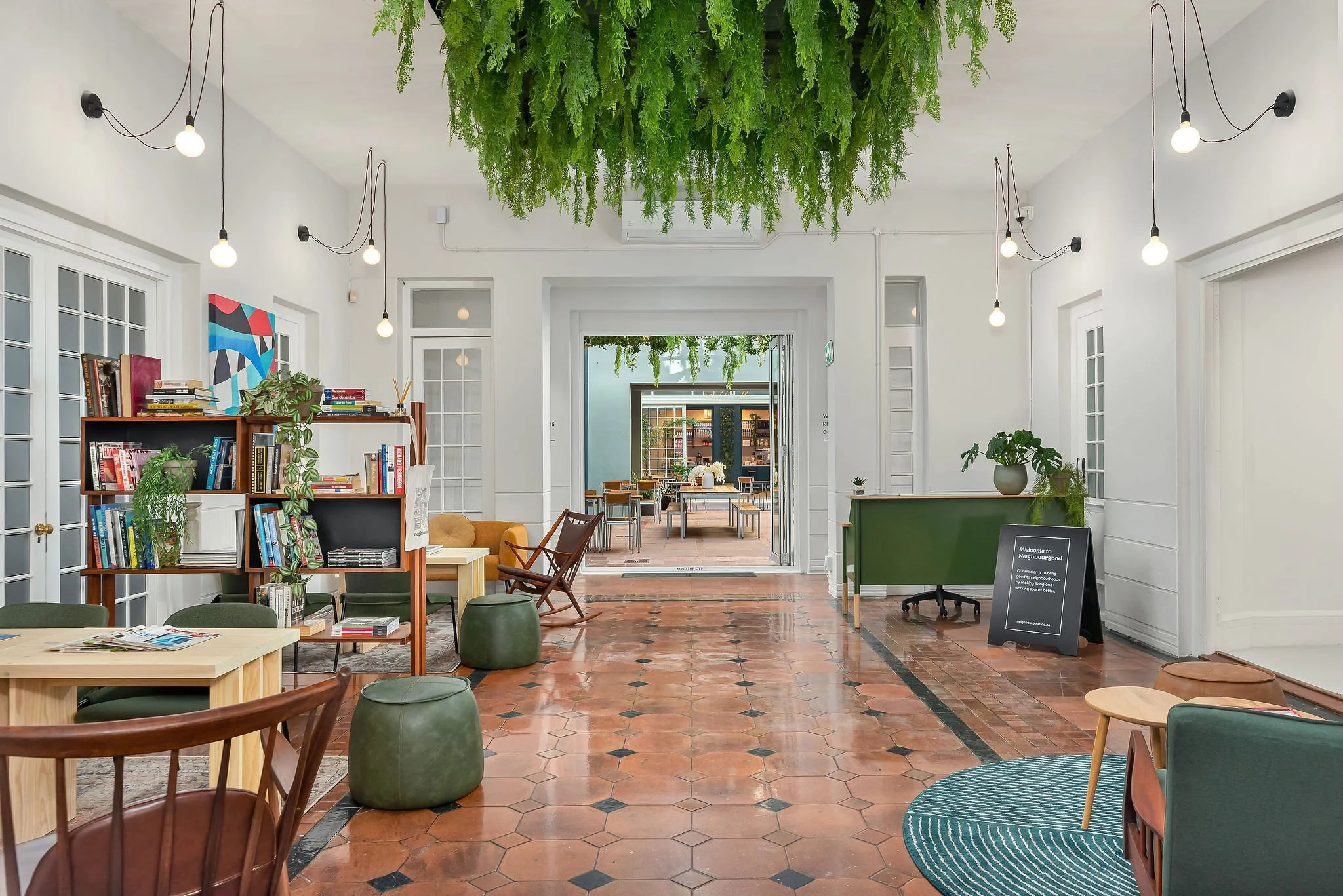
Neighbourgood 129 Bree
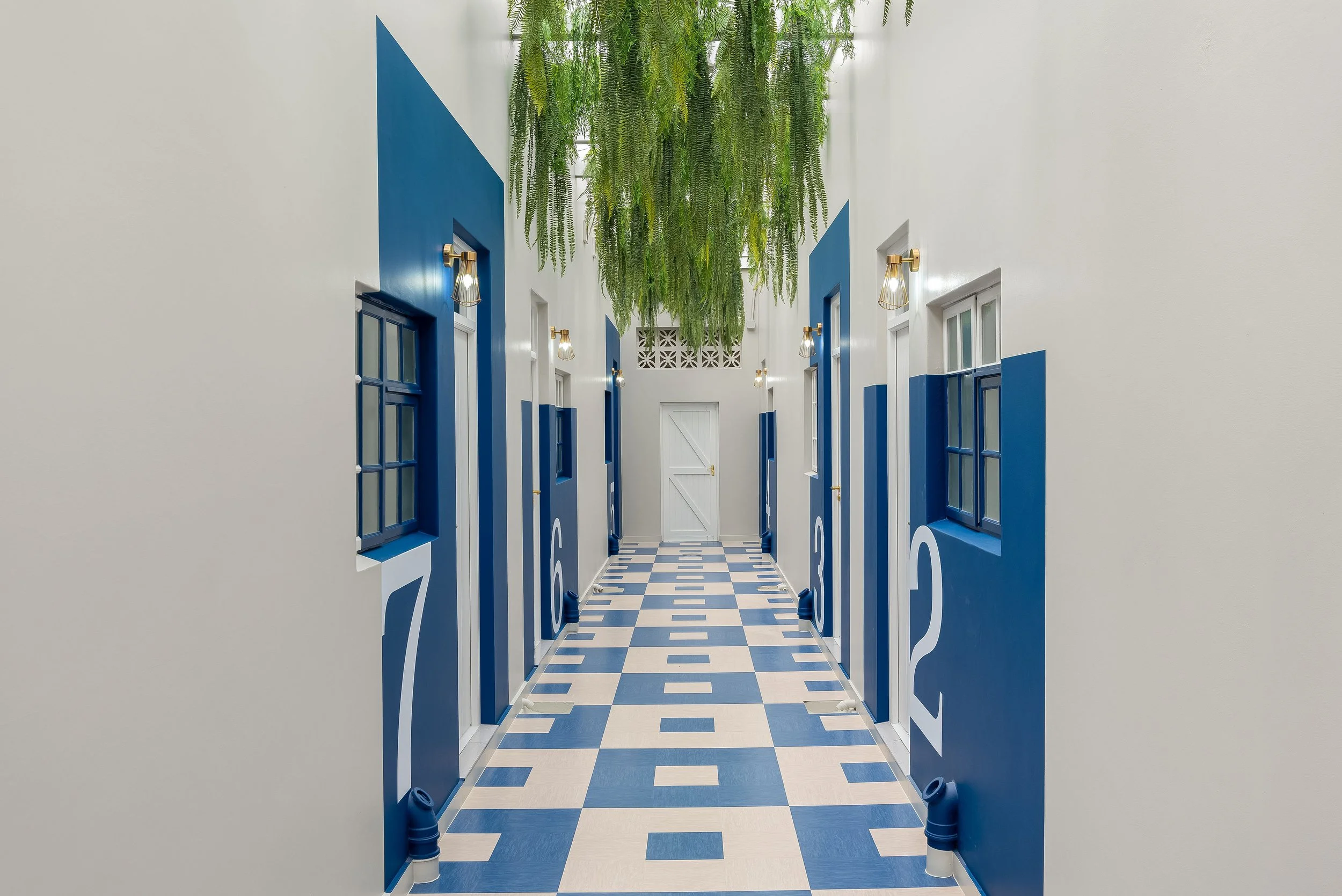
Neighbourgood De Wet, Franschhoek
In Franschhoek, the entrance at Neighbourgood De Wet draws on French design cues. A transparent roof and suspended ceiling of plants guide guests through the passage, creating a sense of arrival that feels considered rather than theatrical. These moments matter because they prevent the spaces from feeling interchangeable. You always have a sense of place.
Designing for community without forcing it
Perhaps the most delicate part of the brief is creating spaces that encourage connection without making interaction feel engineered.
For Neighbourgood, that principle starts with a clear idea: community. While the word has become something of a marketing buzzword, it sits at the centre of the brand’s philosophy: to create connected spaces where good people belong and thrive.
Whether someone stays for one night, one month or one year, the need is often the same. People want to feel connected - to a place, to other people, and sometimes even to themselves. The Neighbourgood experience is built around those shared values: warmth, hospitality, design, inclusivity and belonging. That foundation allows each space to resonate with a wide range of guests while still feeling intentional and specific.
From there, the design supports those connections. Shared kitchens sit along natural movement paths. Lounges are visible enough to invite conversation but comfortable enough to linger in. Workspaces offer structure without feeling boxed in. Small details, from power outlet placement to sightlines, are considered through the lens of how people move through a typical day.
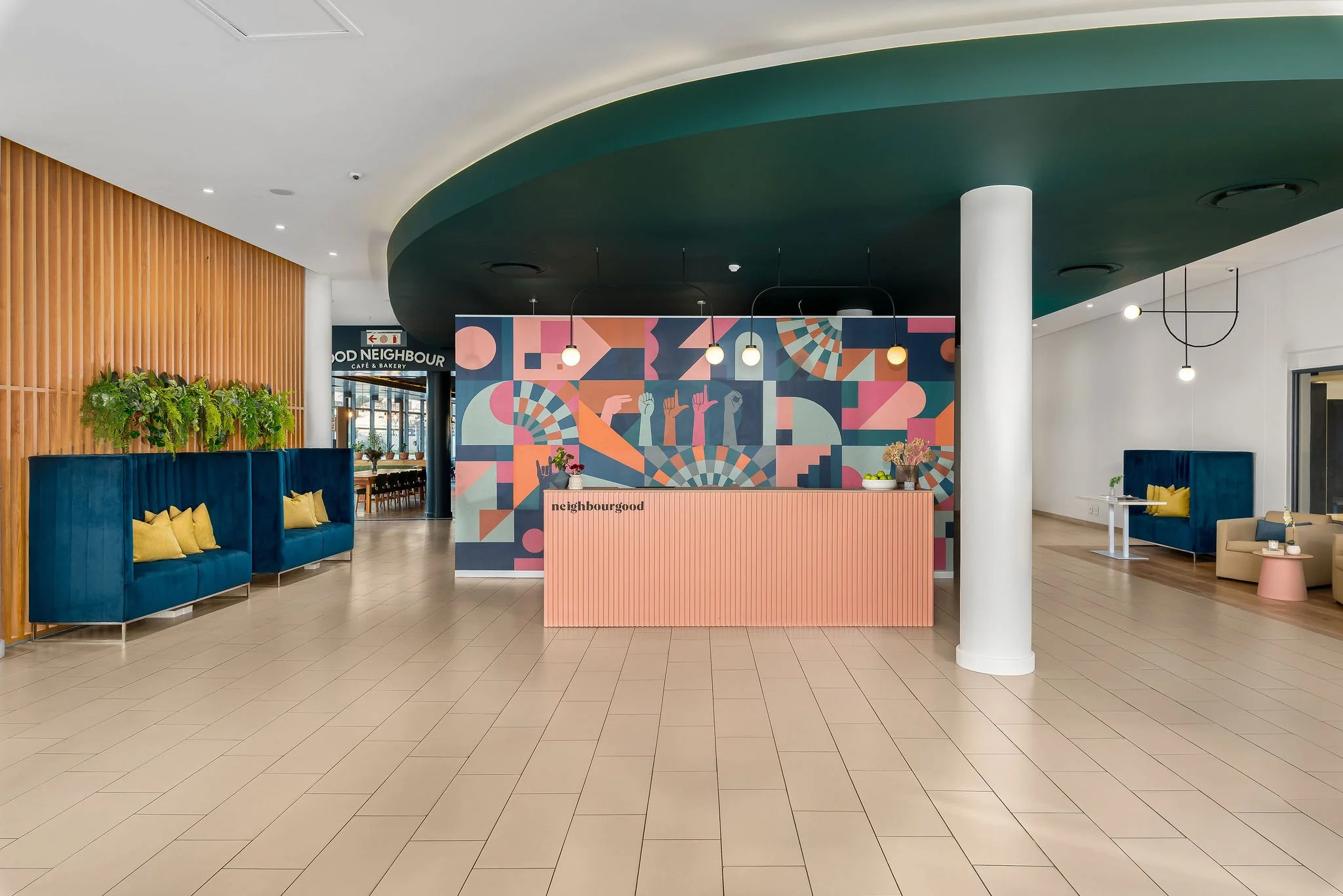
Neighbourgood Newlands
Sometimes, that sense of connection also shows up in more symbolic ways. At Neighbourgood Newlands, the team honoured the building’s history with the Deaf Federation of South Africa by introducing a bright reception mural with subtle references to sign language. It’s the kind of detail many visitors might not immediately notice, but it subtly acknowledges the story of the space and the community that shaped it.
The goal isn’t to create multiple identities for different guests. It’s to build one environment that resonates widely while staying true to the brand’s core values. When it works, the result feels effortless - a space where connection happens naturally rather than by design.
The thread that ties it together
Every new property begins with the same question: Does this space feel like Neighbourgood?
That does not mean identical finishes or copy-and-paste layouts. It points to something more intuitive – a balance of warmth, flexibility, and human-centred design that supports how modern city life actually unfolds.
The portfolio will continue to evolve; design trends always do. But the underlying philosophy remains steady.
Respect the history of the building.
Design for the way people live and work today.
Create spaces that make it easier for community to form naturally.
And if the light happens to hit your desk just right while you are there, you can safely assume that part was very much on purpose.