
How San Francisco Is Rebuilding Its Sense of Community
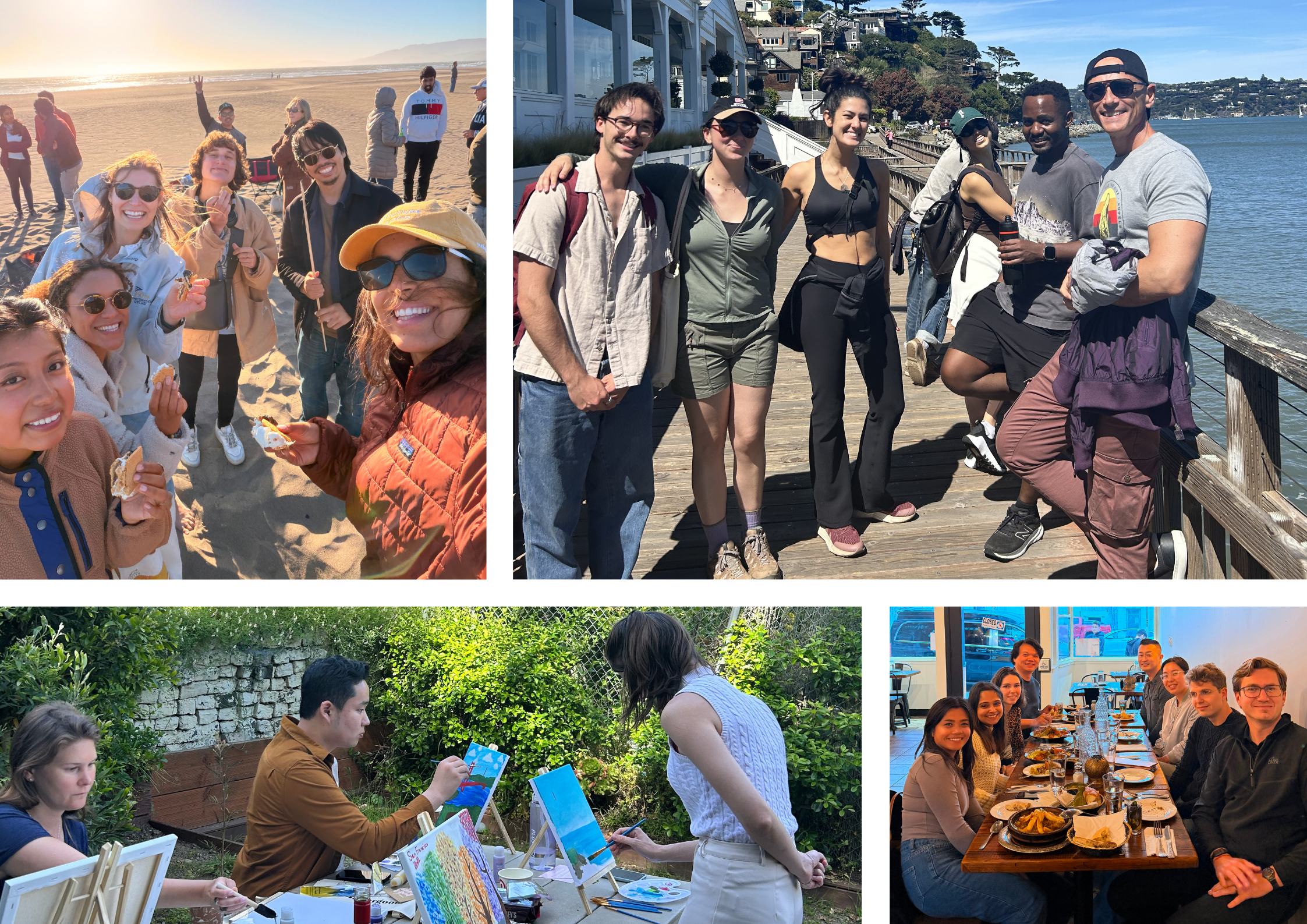
Neighbourgood events create opportunities for people across San Francisco to come together, share experiences, meet new friends, and enjoy the small moments that build a stronger sense of community.
San Francisco has been slowly reshaping itself since COVID. Not in a dramatic way, but in small visible shifts that you only really notice when you’ve been here through the quiet and the return.
For a while, the city felt paused. Streets were emptier, routines broke apart, and even familiar neighborhoods felt slightly disconnected from each other. But over time, something started to change. People began coming back into shared spaces, not just physically, but socially.
What is interesting is that community in San Francisco is not returning in quite the same form it once took. It is forming differently - more local, more intentional, and more rooted in everyday moments rather than large centralized experiences.
The Return of Everyday Connection
You can see it in how people use the city now. Cafés are not just places to grab coffee, they are places where people stay longer again. Parks feel more lived in. Street corners, small events, and neighborhood spaces are starting to carry more weight in daily life. There is a sense that people are actively looking for connection again, even in small ways.
At the neighborhood level, this shift is even more visible. Some areas recovered faster because they were always more community driven. Others are still finding their rhythm. But across the city, there is a shared pattern emerging. People are showing up again, not just passing through.
Block Parties, Street Events, and Public Spaces Coming Alive Again
One of the clearest signs of this shift is how block parties and street gatherings have returned across San Francisco. Streets that once felt quiet for years are now being closed off again for music, food, and neighbors gathering outside.
There is something simple but powerful about it. Chairs on sidewalks, kids running between parked cars, speakers playing music from someone’s garage, and people who may have lived only a few doors apart finally meeting each other. Events like the Mission District's Carnaval, the Castro Street Fair, and recurring block parties in Bernal Heights and the Outer Sunset are drawing thousands of locals back into shared outdoor spaces.
Alongside block parties, the city’s calendar of public events has also come back to life. Outdoor movie nights, cultural festivals, farmers markets, art walks, and neighborhood fairs are once again shaping how people experience the city. These events are not just entertainment, they are becoming shared rituals again.
Community Clubs, Local Groups, and New Ways of Belonging
Beyond one-time events, there has also been a quiet rise in community clubs and local organizations. Running clubs, cycling groups, creative meetups, wellness circles, and volunteer networks are forming across neighborhoods.
These groups are doing something important. They are giving people a consistent reason to show up. Not just for a single event, but for something ongoing. In a city that can feel fast and transient, that repetition is what builds familiarity.
It is also changing how people think about belonging. Instead of finding one central community, many people are now part of multiple smaller ones that overlap across different parts of the city.
Shared Experiences Are Becoming More Important
A big part of this change is happening through shared experiences. Not large institutional events, but smaller recurring gatherings that bring people into the same space without pressure or expectation. These moments matter more now than they used to. They create familiarity in a city that can often feel transient.
There is something about repetition and familiarity that is helping rebuild connection. Seeing the same faces at different moments. Recognizing people across spaces. Slowly building a sense of belonging again.
Neighbourgood Community Events and the New Rhythm of the City
This is where our Neighbourgood community events naturally fit into the city’s new rhythm. These weekly events and activities are free, open to the entire city, and do not require membership. They are designed simply to bring people together again. To create space for conversation, shared experiences, and a sense of belonging that feels accessible rather than exclusive.
What stands out is not just who attends, but the atmosphere that forms. People from different neighborhoods, different backgrounds, and different routines end up in the same space. It feels easy, not forced. The kind of connection that does not need structure to happen.
These moments reflect a broader shift in San Francisco. Community is not being rebuilt through institutions alone, but through repeated, simple gatherings that feel human at their core.San Francisco's post-COVID story is not about returning to what existed before. It is about building something with more intention - smaller in scale, more local in character, and more dependent on the people who show up consistently. Community here is no longer a backdrop. It is becoming the point.